
Reducing food waste at home is a practical way to save money, protect the environment, and make the most of the food you buy. Every year, large amounts of food are thrown away, which not only wastes resources but also contributes to greenhouse gas emissions. Fortunately, by adopting a few smart habits, you can make a big difference. This guide offers easy, actionable steps to help you cut down on food waste.
Why Reducing Food Waste Matters
Before diving into tips, it’s important to understand the benefits of reducing food waste:
– Saves money: Less food wasted means fewer groceries thrown away.
– Conserves resources: Production of food uses water, energy, and labor.
– Reduces environmental impact: Decomposing food in landfills produces methane, a potent greenhouse gas.
Now, let’s explore practical ways you can help reduce food waste in your kitchen.
Plan Your Meals and Shop Smartly
1. Make a Weekly Meal Plan
Planning meals ahead helps you buy only what you need. Consider breakfast, lunch, dinner, and snacks for the week. Check your pantry and fridge to avoid buying duplicates.
2. Create a Shopping List
Write a list based on your meal plan and stick to it. Avoid impulse buys that might go uneaten.
3. Shop More Often but Buy Less
Instead of large, infrequent grocery trips, shop more often in smaller amounts. This reduces the chance of food spoiling before you use it.
Store Food Properly
Proper storage extends the life of your groceries.
1. Use Airtight Containers
Keep leftovers and opened packages in airtight containers to maintain freshness.
2. Know Your Fridge Zones
Place perishables like dairy in the coldest part of the fridge. Store fruits and vegetables in designated drawers to optimize humidity.
3. Freeze Excess Food
If you have extra fresh produce or leftovers, freeze them before they spoil. Many foods freeze well and can be enjoyed later.
Manage Leftovers Creatively
1. Repurpose Meals
Transform leftovers into new dishes. For example, roast chicken can become chicken salad or soup.
2. Keep Portions Reasonable
Serve smaller portions to reduce uneaten food on plates. You can always add more if needed.
3. Use Leftover Ingredients
Use vegetable scraps to make broth or fruit peels in smoothies or baking.
Understand Food Labels
Food labels can be confusing but understanding them helps reduce waste.
– “Best by” or “Use by” dates indicate peak quality, not safety. Trust your senses if food looks and smells fine.
– “Sell by” dates are for stores, not consumers.
By using your judgement, you can avoid tossing food prematurely.
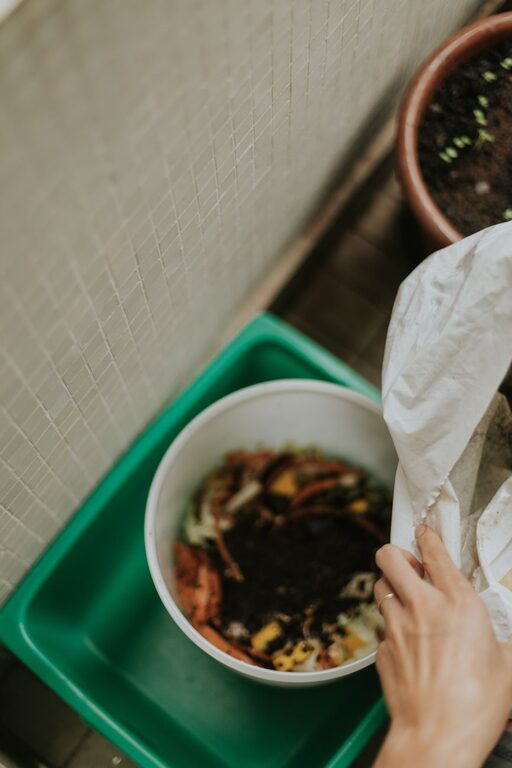
Compost Food Scraps
Instead of throwing food scraps in the trash, compost them if possible. Composting reduces landfill waste and creates nutrient-rich soil for gardens.
– Collect vegetable peels, coffee grounds, eggshells, and other compostable waste in a kitchen bin.
– Use a backyard compost pile or a composting service.
Educate and Involve Your Household
Reducing food waste is easier when everyone is on board.
– Talk about food waste habits with family members.
– Encourage kids to serve themselves and take only what they’ll eat.
– Share tips and recipes that use leftovers.
Simple Tips to Remember
– First in, first out: Organize your fridge and pantry so older items are used first.
– Freeze bread to prevent mold.
– Check produce daily for signs of spoilage and use items nearing their end.
– Use smaller plates to control portion sizes.
Final Thoughts
By making a few changes to your shopping, cooking, and storage habits, you can significantly reduce food waste at home. Not only will you save money and resources, but you’ll also contribute to a healthier planet. Start with small steps and build good habits over time—every bit counts!
About the Author