Starting a gratitude journal is a simple yet powerful way to bring more positivity and mindfulness into your daily life. By regularly noting what you are thankful for, you shift your focus from what’s lacking to what is abundant. This practice can improve your mood, reduce stress, and help you appreciate the small joys. If you’re new to gratitude journaling, this guide will walk you through the basics and offer tips to get started comfortably.
What Is a Gratitude Journal?
A gratitude journal is a personal diary where you record things you feel grateful for. Unlike a typical journal that might cover your daily experiences or thoughts in general, a gratitude journal specifically focuses on positive aspects of your life. This could include anything from the kindness of a friend to enjoying a delicious meal or simply appreciating a quiet moment.
Benefits of Keeping a Gratitude Journal
Before diving into how to start, it helps to understand why this practice can be valuable:
– Improves Mental Well-being: Regularly acknowledging the good in your life fosters a positive mindset.
– Enhances Mindfulness: Writing gratitude encourages you to slow down and notice the present moment.
– Reduces Stress: Focusing on positive experiences can decrease feelings of anxiety and negativity.
– Strengthens Relationships: Noticing others’ kindness can deepen your appreciation and connectedness.
– Boosts Resilience: Gratitude helps build a foundation to cope better with challenges.
How to Choose Your Gratitude Journal
Before you start writing, pick the right journal for you. Consider these options:
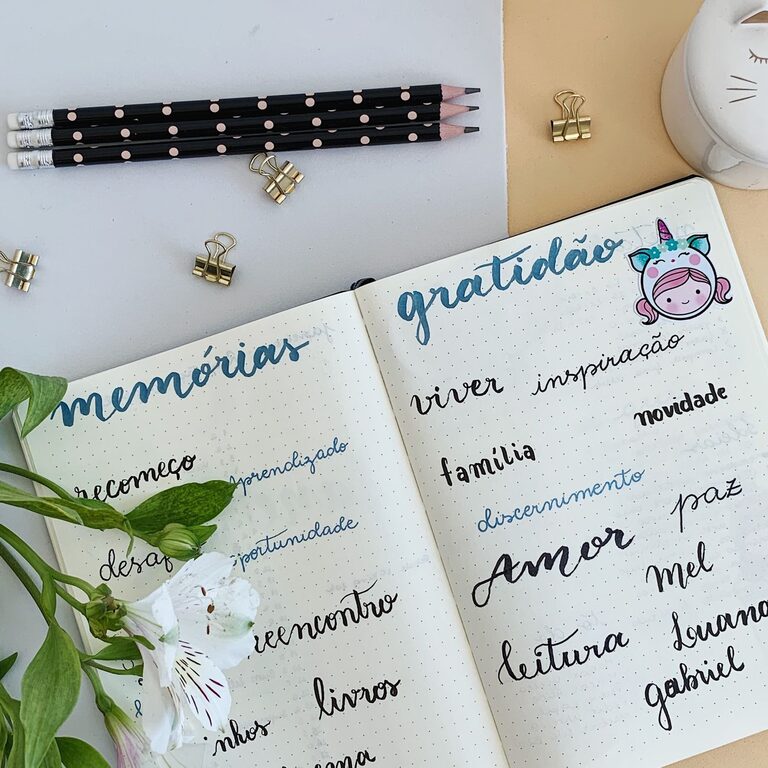
– Physical Notebook: Many prefer a dedicated notebook or diary. Choose one you enjoy looking at and holding.
– Digital Journal: If you like typing, use a note app or a journaling app on your phone or computer.
– Printable Templates: For structure, consider gratitude journal templates you can print and fill in.
Choose a method that feels inviting and easy to use daily.
Setting Up Your Gratitude Journaling Routine
Building a habit is easier with a simple, consistent routine. Here’s how to begin:
1. Pick a Time
Decide when you want to write in your journal. Many people prefer:
– Morning: To start the day with a positive mindset.
– Evening: To reflect on the day and end positively.
Choose a time that fits naturally into your schedule.
2. Start Small
Begin with just 3 things you’re grateful for each day. This manageable goal helps you stay consistent without feeling overwhelmed.
3. Use Prompts If Needed
If you’re unsure what to write, try prompts like:
– What made me smile today?
– Who am I thankful for and why?
– What is something I often take for granted?
Prompts can spark ideas and make journaling easier.
4. Keep It Personal
Write in your own words. There’s no right or wrong way—focus on what feels meaningful to you.
Tips for Maintaining Your Gratitude Journal
To keep your gratitude journaling practice enjoyable and sustainable, try these tips:
– Be Specific: Instead of writing “I’m grateful for my family,” try “I’m grateful for my sister who called me today and made me laugh.”
– Include Small Things: Sometimes the tiniest things — a warm cup of tea, a sunny day — deserve recognition.
– Reflect Occasionally: Every few weeks, read back through your entries. This can boost your mood and remind you of positive moments.
– Make It Fun: Use colors, stickers, or doodles if you like. Personalizing your journal can make it more inviting.
– Be Patient: It’s normal to miss a day or two. Don’t be hard on yourself—just start again whenever you can.
Inspiration: Examples of Gratitude Journal Entries
Here are some sample entries to inspire your own writing:
– “Today I’m thankful for the unexpected rain that cooled the hot afternoon.”
– “I appreciate my coworker Emma who helped me with a difficult task at work.”
– “Grateful for the cozy blanket that kept me warm last night.”
– “Thankful for the moment I spent chatting with my neighbor — it lifted my spirits.”
When to Adapt Your Journal Practice
As you grow more comfortable with gratitude journaling, you might want to:
– Increase the number of daily entries.
– Write longer reflections about why each item matters.
– Incorporate gratitude into other forms of journaling or mindfulness practices.
The key is to evolve your practice in ways that keep it meaningful.
Final Thoughts
Starting a gratitude journal is a straightforward process that can have profound effects on your outlook and well-being. By setting aside a few minutes each day to focus on what you appreciate, you train your mind to recognize life’s gifts more often. Remember, the best gratitude journal is one that fits your style and schedule, so keep it simple and personal. Happy journaling!
About the Author